Introduction
Printing is one of the essential tools companies use for marketing and promotion, whether it’s indoor or outdoor printing. The methods and techniques of printing vary depending on the environment in which the advertising materials will be displayed. Outdoor printing requires durable materials and techniques to withstand weather conditions and environmental factors, while indoor printing usually focuses more on detail and precision since it is placed in closed, quiet spaces.
---
Indoor Printing
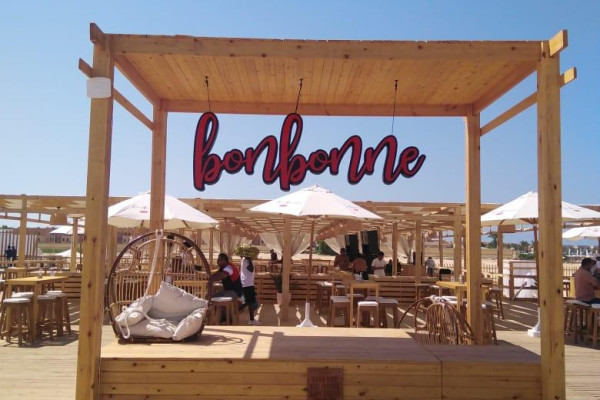
Indoor printing is used in closed spaces such as offices, retail stores, exhibitions, and conferences. This type of printing is characterized by high precision in details and colors, as the indoor environment doesn't expose materials to weather elements like sun or rain. The most popular types of indoor printing include:
1. Posters and Signs:
Used in exhibitions, retail stores, and events to promote products and services in a direct and eye-catching way.
2. Marketing Materials:
Such as catalogs, brochures, and business cards. These materials are usually of the highest quality in terms of paper and colors to attract potential customers.
3. Wall and Ceiling Printing:
Signs or wall art can be part of the decor, enhancing the brand identity and creating a unique experience for visitors or customers.
Advantages of Indoor Printing:
- High-Quality Printing: Focuses on details and colors.
- Customizable Designs: Since materials are not affected by external factors, more complex designs can be executed.
- Lower Cost than Outdoor Printing: As the materials used are less expensive and do not need to withstand environmental factors.
---
Outdoor Printing
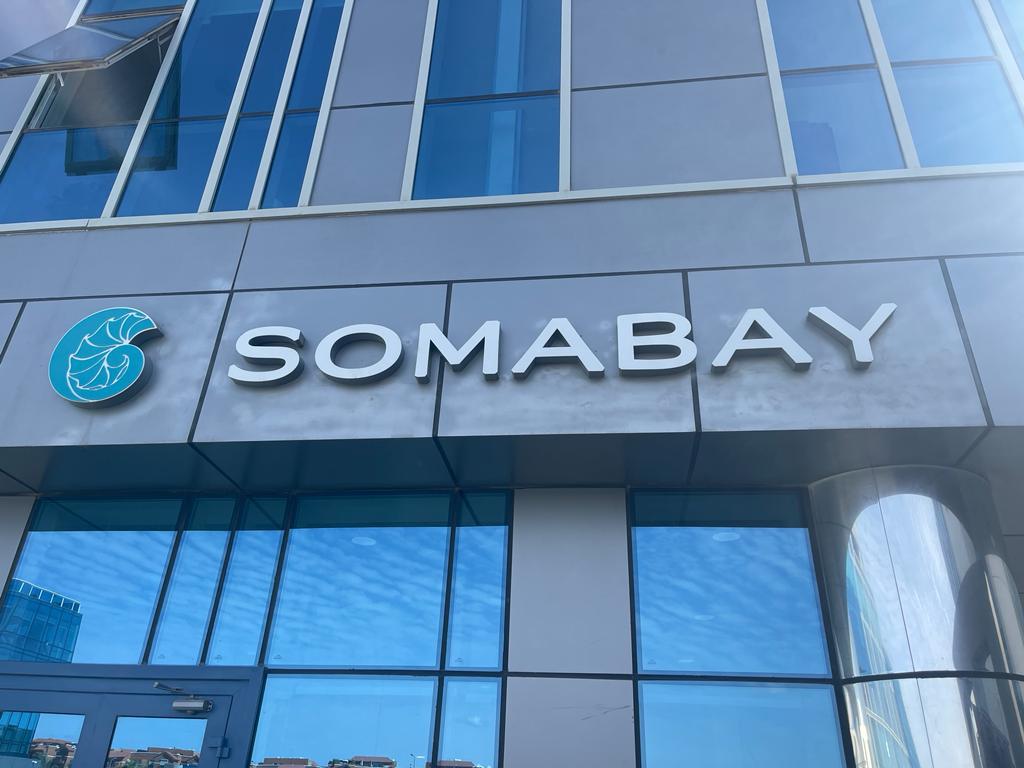
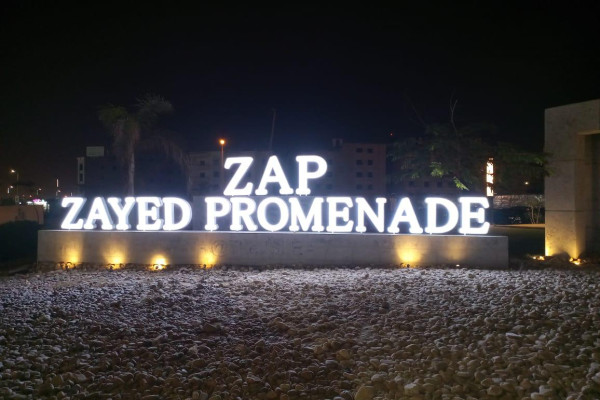
Outdoor printing aims to capture the attention of the public in open spaces such as streets, squares, and other public areas. Outdoor printing requires materials that are resistant to weather elements like sun, rain, wind, and dust. The most popular types of outdoor printing include:
1. Billboards:
One of the most widespread forms of outdoor printing. They are large and designed to be clear and strong enough to withstand different environmental conditions.
2. Building Wraps:
Used to cover the facades of large buildings and often feature eye-catching and strong marketing messages.
3. Transit Ads:
Include printing on buses, subways, taxis, and other forms of transportation. These ads move with the vehicles, reaching a broad audience.
Advantages of Outdoor Printing:
- Wider Audience Reach: Thousands of people can view these ads daily in public spaces.
- Continuous Exposure: Outdoor ads are available to the public at all times.
- Weather Resistance: The materials used are highly durable.
---
Challenges of Indoor and Outdoor Printing
1. Indoor Printing:
Requires a strong focus on detail and quality to ensure the desired impact in closed environments. The competition for attention in confined spaces may be challenging due to the presence of many other advertising materials.
2. Outdoor Printing:
The biggest challenge is weather conditions, which may cause materials to wear out or lose appeal over time. The costs of outdoor printing can be high due to the need for special materials and techniques to ensure durability.
---
Conclusion
Indoor and outdoor printing both play a crucial role in companies' marketing strategies. While indoor printing demands precision and attention to detail to enhance the customer experience in closed spaces, outdoor printing focuses on capturing the attention of a broad audience and enduring harsh environmental conditions. The choice between indoor and outdoor printing depends on the goal of the advertising campaign and the target audience, with both being powerful tools to achieve the desired impact.

 Call Now ! 01111606294